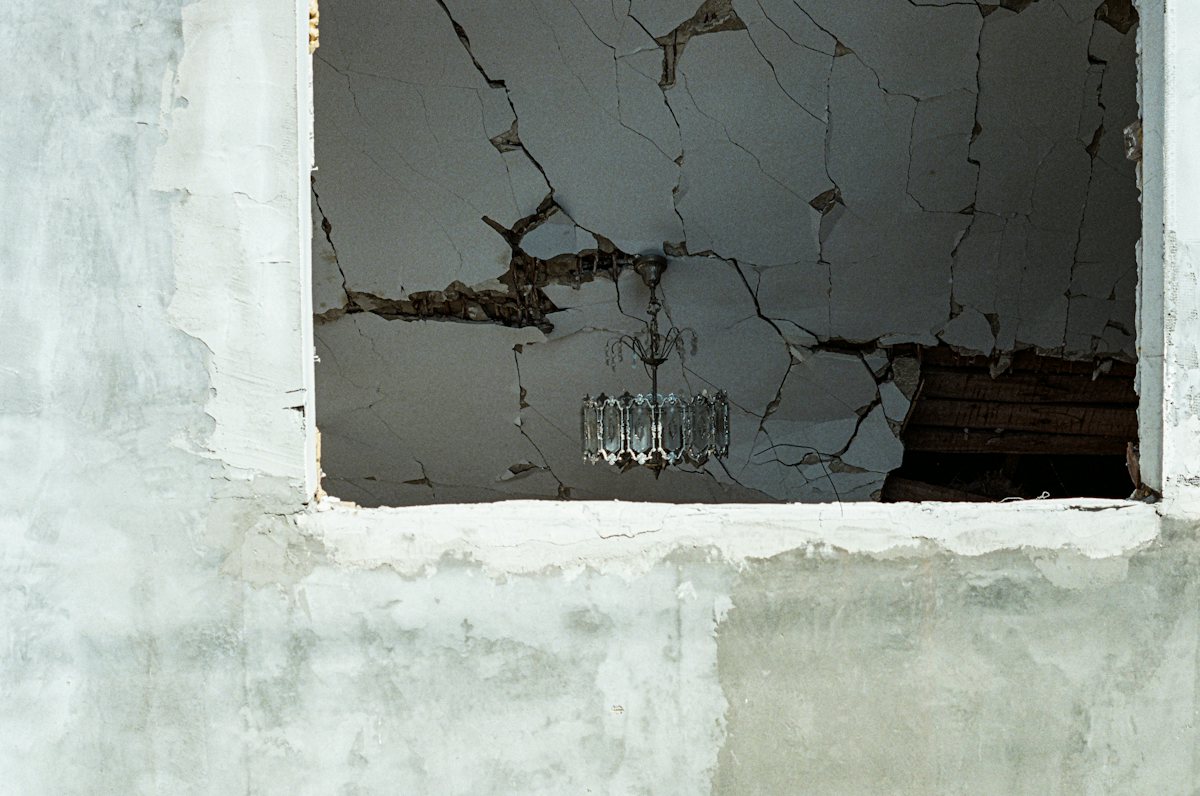
What should you do first if the ceiling is wet or sagging?
- Stay out from under it. Water can pool above the drywall, and a sagging section can drop without warning. Keep people and pets out of the room.
- Turn off power to the fixtures in that area. Switch off the breaker for lights and fans on that part of the ceiling. Do not touch a fixture with water on it.
- Call 911 if the ceiling is collapsing or has come down near wiring, or if you smell burning.
- Stop the water if you can. If it is plumbing, shut off the water supply to the house or the fixture.
- Protect belongings and take photos for your insurer.
If the ceiling is sagging but nothing is dripping, do not poke it unless a professional tells you to. Draining it can be necessary, but it should be done carefully with a bucket below and someone nearby who is not under the bulge.
What causes a water stained ceiling: roof leak, AC line, or plumbing?
- Roof leak: The stain shows up or grows after rain, often near an exterior wall or under an attic area. Staining usually spreads in a ring.
- AC condensate line: The stain is near the air handler or a vent and appears when the system runs, even on dry days. Humidity makes clogged lines more likely.
- Plumbing: The stain is under a bathroom, kitchen, or laundry, and it does not follow the weather. A high water bill supports this.
A stain that returns after dry weather points away from the roof. Mark the edge of the stain in pencil with the date to see whether it grows.
Why does Southwest Florida see so many ceiling leaks?
Storms, heat, and humidity all work on roofs and AC systems. Hurricane Milton in 2024 caused what one report calls extensive roof damage, with the worst effects wind-driven rather than from surge. That article does not discuss Lee County specifically. A local law firm's page adds that Fort Myers humidity can accelerate mold growth within 24 to 48 hours, so dry the area quickly and have moisture checked before permanent repairs. After Hurricane Ian in 2022, Lee County's housing page noted that FEMA aid is not a substitute for insurance.
When does the texture have to come off?
When the drywall under it is wet, soft, or moldy, the damaged section must be cut out and replaced, and a patch cannot be textured to match an old popcorn finish easily. Many owners then remove the texture from the whole ceiling. If the home was built before the 1990s, test before any scraping or cutting. The asbestos testing page explains how, and Florida law limits who may remove positive material.
What does a repair involve, and does it need a permit?
The source is fixed first, the area dried, bad drywall replaced, and the ceiling finished and painted. If water also soaked the walls, read about water-damaged drywall removal. See ceiling repair for the steps. On permits: Cape Coral's archived hurricane page says that in a Special Flood Hazard Area, any damage including water intrusion requires a permit for all repairs. Elsewhere, ask your building department.
Should you call your insurer?
Yes, before you hire. A law firm's marketing page says sudden wind-driven roof leaks are typically covered while flood needs a separate policy, but that is secondary information. Read your policy and ask your insurer about your case. Take photos before anything is moved.
Frequently asked questions
Can I paint over the stain once it is dry?
Only after the leak is fixed. Use stain-blocking primer.
How long can a wet ceiling sit before mold?
One local law firm says mold can start in 24 to 48 hours in Fort Myers humidity. Dry it quickly.
Is a water stained ceiling dangerous?
The stain itself is not the concern. The risk is a weakened ceiling and the electrical fixtures in it.
Who fixes the source?
A roofer, AC technician, or plumber, depending on the cause. Ceiling contractors repair the damage afterward.
Get a ceiling quote in Fort Myers
Call and describe the rooms, or send the form with a few details. An independent local contractor will follow up to look at the ceiling and give you a written quote.